

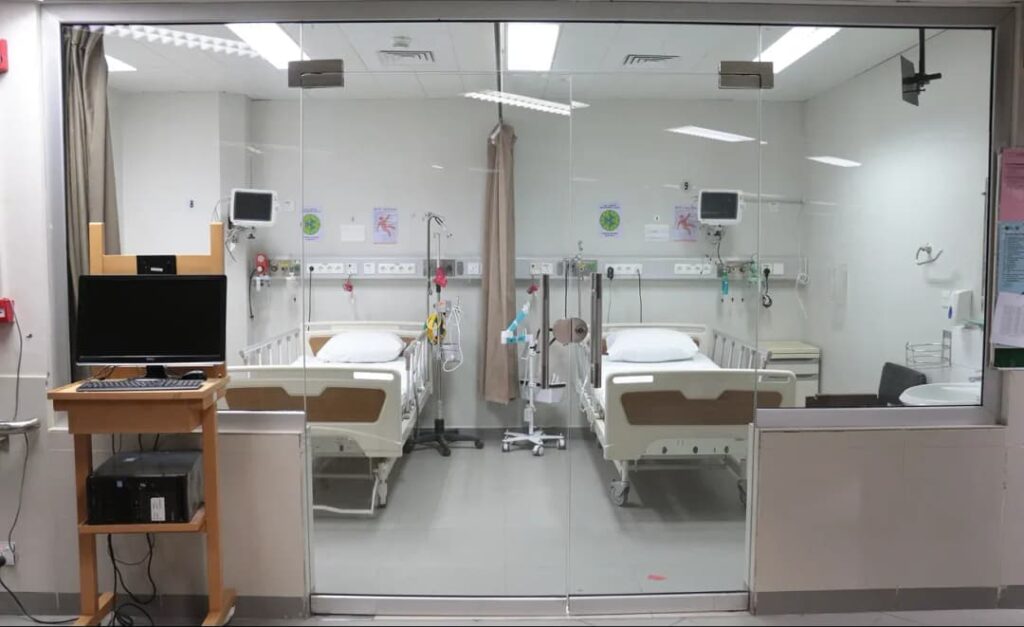
In the heart of Pakistan’s capital city, Islamabad, lies a medical institution that serves as both a lifeline for the local population and a fascinating case study for international health observers. Known as the Pakistan Institute of Medical Sciences (PIMS), but more affectionately and commonly referred to by its historical name, Al Shifa Hospital, this facility is not just a building; it is a bustling, breathing ecosystem of healthcare.
For readers abroad, understanding a hospital like Al Shifa is to understand the complexities and triumphs of public health in South Asia. It is a place where cutting-edge medical technology meets the realities of high-volume patient care, and where the corridors have witnessed not only medical dramas but significant political history.
The Overview: The Capital’s Medical Backbone
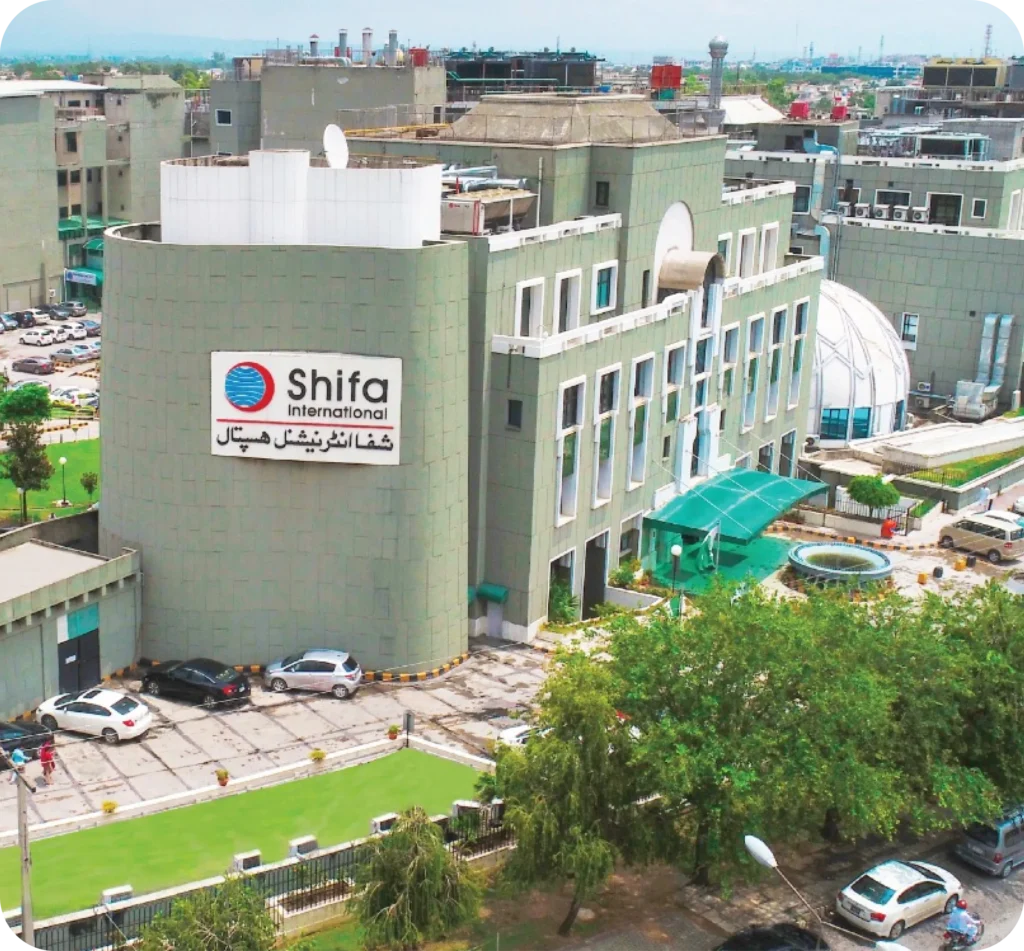
Officially designated as the Islamabad Hospital, the complex is the largest tertiary care center in the public sector within the Islamabad Capital Territory. It operates under the umbrella of the Shaheed Zulfiqar Ali Bhutto Medical University (SZABMU) and is funded by the Government of Pakistan. Unlike private hospitals that cater primarily to the affluent, Al Shifa (PIMS) is the great equalizer. It serves a diverse demographic, ranging from high-ranking government officials and diplomats (given its location in the capital) to low-income patients who travel from the far-flung areas of Khyber Pakhtunkhwa, Gilgit-Baltistan, and rural Punjab.
The hospital’s location is strategic. Situated on Ibn-e-Sina Road in the G-8/3 sector, it is easily accessible from the “Red Zone” (the diplomatic and government enclave) and the residential sectors of Islamabad. This proximity to the center of power means the hospital must maintain a standard of care that is scrutinized on a national level.
For an international audience, it is helpful to think of Al Shifa as a hybrid between a public teaching hospital and a national reference center. It is not just a place for treatment; it is a hub for medical education, nursing training, and clinical research. The facility spans a massive footprint, encompassing multiple blocks that house specialized departments, administrative offices, and a dedicated emergency trauma center.
A Look Inside: The Wards and Departments
Navigating the vast campus of Al Shifa can be daunting for first-time visitors. The hospital is organized into specialized blocks and wards designed to compartmentalize care and manage infection control. Below is a look at the major areas that make up this medical city.
1. The Emergency and Trauma Center
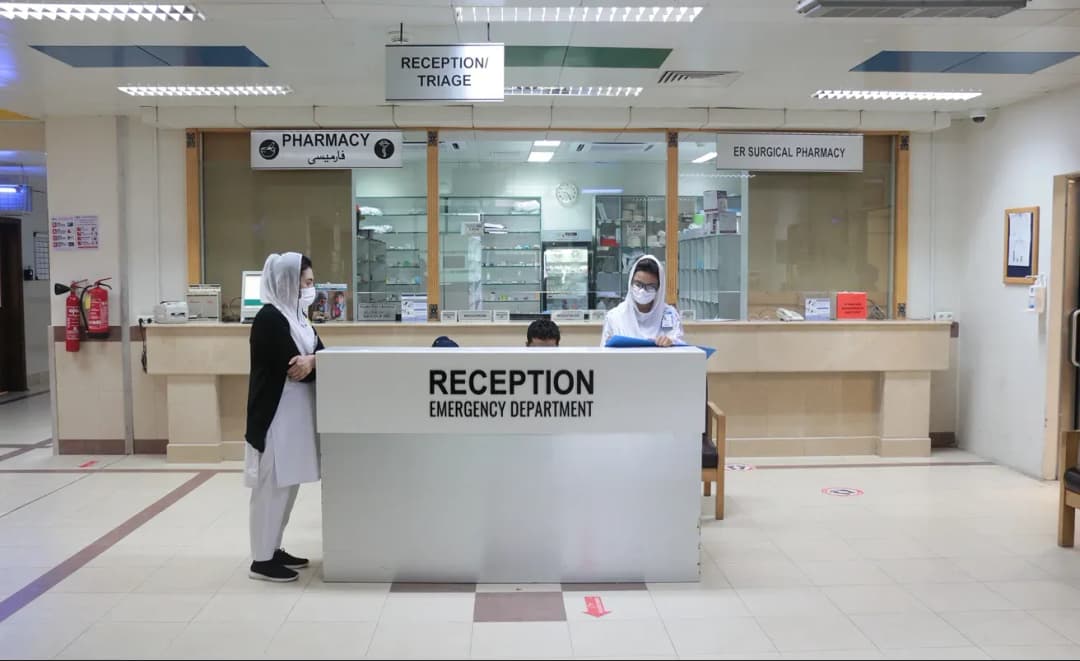
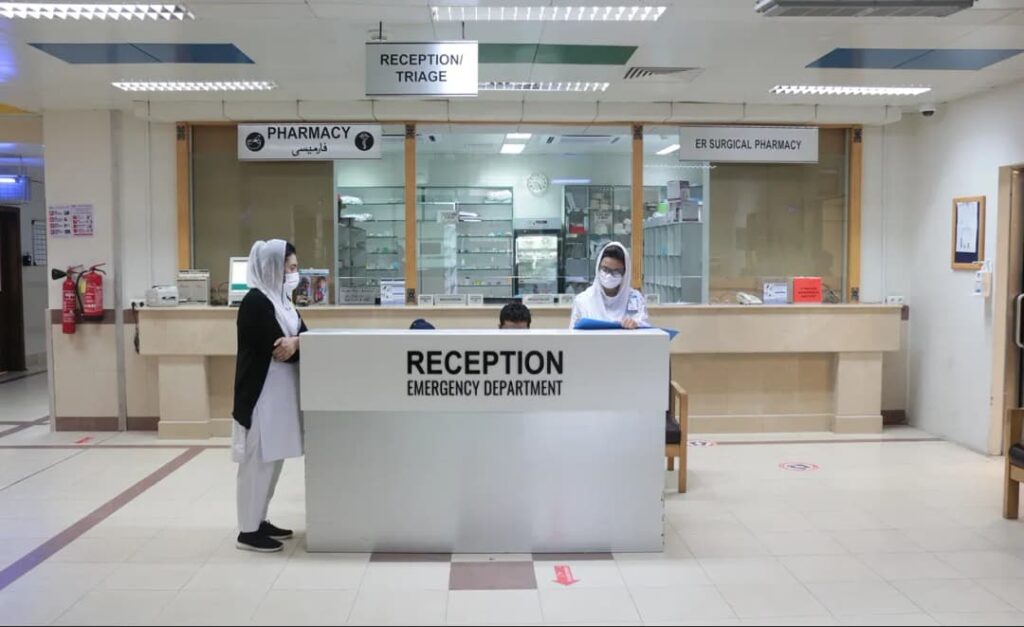
Often the most chaotic yet vital part of the hospital, the Emergency Department at Al Shifa operates 24/7. It is the front line for medical crises in the capital. From severe road traffic accidents on the Kashmir Highway to acute cardiac arrests, this ward is equipped with a triage system to prioritize the sickest patients. Because it is a public hospital, the emergency ward is often overcrowded, but it remains the only option for critical care for millions of people.
2. The Cardiology Ward (Cardiac Center)
Cardiovascular disease is one of the leading causes of mortality in Pakistan. The Armed Forces Institute of Cardiology (AFIC) is located nearby in Rawalpindi, but Al Shifa provides the primary public sector cardiac care for Islamabad. The Cardiac Ward includes a Coronary Care Unit (CCU) equipped with modern monitors, and a catheterization lab for angiography and angioplasty. The waiting lists here are long, but the expertise of the cardiologists is highly regarded.
3. The Neurology and Neurosurgery Wards
Handling a high volume of stroke and head trauma cases, the Neurology Department at Al Shifa is a critical referral center. The ward includes a dedicated Stroke Unit where patients receive thrombolytic therapy. The Neurosurgery ward is paired with highly skilled surgeons who operate on complex brain and spinal injuries, often referred from smaller district hospitals that lack such facilities.
4. The Gastroenterology and Hepatology Ward
Liver diseases, including Hepatitis B and C, are endemic in Pakistan. The Gastroenterology ward at Al Shifa offers diagnostic endoscopies, colonoscopies, and ERCP procedures. The hospital runs specialized “liver clinics” on certain days of the week to manage the massive influx of patients suffering from chronic liver conditions and cirrhosis.
5. The Mother and Child Health Block
Perhaps one of the busiest sections is the Gynaecology and Obstetrics ward. Pakistan has a high birth rate, and Al Shifa delivers thousands of babies each year. The ward is split into a Labor Room, a neonatal intensive care unit (NICU), and post-natal recovery rooms. The NICU here is crucial, providing incubators and ventilators for premature babies, often saving lives that would otherwise be lost in rural areas.
6. The Oncology Ward
Cancer care in Pakistan is expensive, making the public sector essential. The Oncology ward at Al Shifa provides chemotherapy sessions and palliative care. While radiation therapy is available, the demand far outweighs the supply of machines. The ward is often a somber place, but it represents a beacon of hope for patients who cannot afford private cancer hospitals like Shaukat Khanum.
7. The Urology and Nephrology Ward
With a high prevalence of kidney stones and renal failure, this ward is perpetually full. The Nephrology department runs a large Dialysis Unit. The Urology ward performs procedures ranging from lithotripsy (breaking kidney stones) to complex transplant surgeries, though most transplants are referred to specialized institutes.
8. The Private and Semi-Private Wards
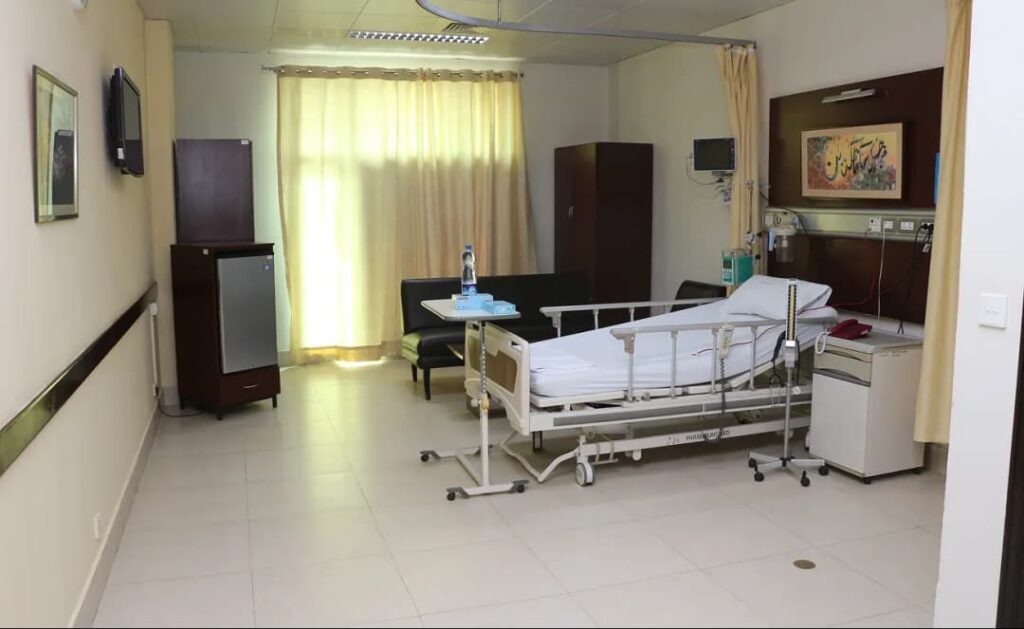
While the general wards are free or heavily subsidized, Al Shifa also operates “Private Wings.” These are rooms (single or double occupancy) that require payment. They offer a slightly higher standard of amenities, such as air conditioning and a television, and allow family members to stay. This system helps subsidize the free care provided to the poor in the general wards.
The Culture of the Hospital
For an outsider, the atmosphere inside Al Shifa can feel overwhelming. The hallways are crowded, with families camped out on lawns waiting for news of loved ones. The “attendant” system is crucial here; unlike Western hospitals where nurses provide total care, in Pakistan, family members are expected to handle feeding, bathing, and basic patient comfort. This creates a bustling, sometimes chaotic, but ultimately community-driven environment.
Despite resource constraints, the medical staff—many of whom are trained at the best institutions in the country and abroad—work under immense pressure. The hospital serves as a training ground for medical students from SZABMU, ensuring a constant influx of junior doctors who are eager to learn but often overwhelmed by the patient load.
The Supreme Court Order and the Global Spotlight
While Al Shifa Hospital is a place of daily medical routine, in August 2026, it became the center of a political storm that captured headlines locally and internationally. This was when the Supreme Court of Pakistan issued a directive regarding the former Prime Minister, Imran Khan.
At the time, Imran Khan was embroiled in a legal battle following his arrest in the Al-Qadir Trust case. His party, Pakistan Tehreek-e-Insaf (PTI), alleged that he was being mistreated and denied proper medical care while in custody. The political temperature in the country was extremely high, with protests erupting across the country.
In a dramatic turn of events, the Supreme Court of Pakistan intervened. The Court ordered that the former Prime Minister be shifted to Al Shifa Hospital in Islamabad for a medical examination. The order was specific: he was to be taken to PIMS (Al Shifa) to ensure his health and safety, and to quell the growing unrest regarding his well-being.
The decision instantly created massive hype. Internationally, news outlets from BBC to CNN flashed breaking news banners: “Pakistan Supreme Court orders Imran Khan to hospital.” The world watched as the political drama unfolded. Locally, the order had a magnetic effect.
As the news spread, a massive crowd of PTI supporters, lawyers, and media personnel descended upon Al Shifa Hospital. The usually busy hospital grounds were transformed into a sea of political activity. Barricades were set up, and security was tightened significantly. Patients and regular visitors found themselves navigating through a circus of television vans and chanting crowds.
The hype was fueled by the fact that Al Shifa is the state’s main hospital. By ordering Khan’s presence there, the Supreme Court effectively turned the medical facility into a secure, neutral ground for a political standoff. The event highlighted the hospital’s role not just as a health provider, but as a key piece of national infrastructure capable of hosting high-stakes events.
For days, the hospital was the center of attention. Doctors at Al Shifa conducted medical check-ups on the former leader while police surrounded the premises. The situation eventually de-escalated, but the event left a lasting mark on the hospital’s history. It proved that in Pakistan, the line between state institutions, such as a public hospital, and the political narrative is often blurred. For the international community, it offered a glimpse into the tense, complex, and often theatrical nature of Pakistani politics, with a hospital ward serving as the stage.
Conclusion
Al Shifa Hospital is more than just the “Islamabad Hospital.” It is a mirror reflecting the inequalities, the resilience, and the drama of Pakistan. It is a place where a poor farmer from the mountains can receive a life-saving bypass surgery next to a ward where a former Prime Minister is undergoing a court-ordered check-up. It struggles with funding, overcrowding, and political interference, yet it continues to function as the beating heart of healthcare in the capital. For visitors and observers, understanding Al Shifa is a profound lesson in how healthcare operates in the developing world—where medicine meets politics, and life goes on regardless.